
Highlight in Northern Of Laos
Luangprabang-Nongkhaew-Muang Ngoi-Muangxay-Phonsavan
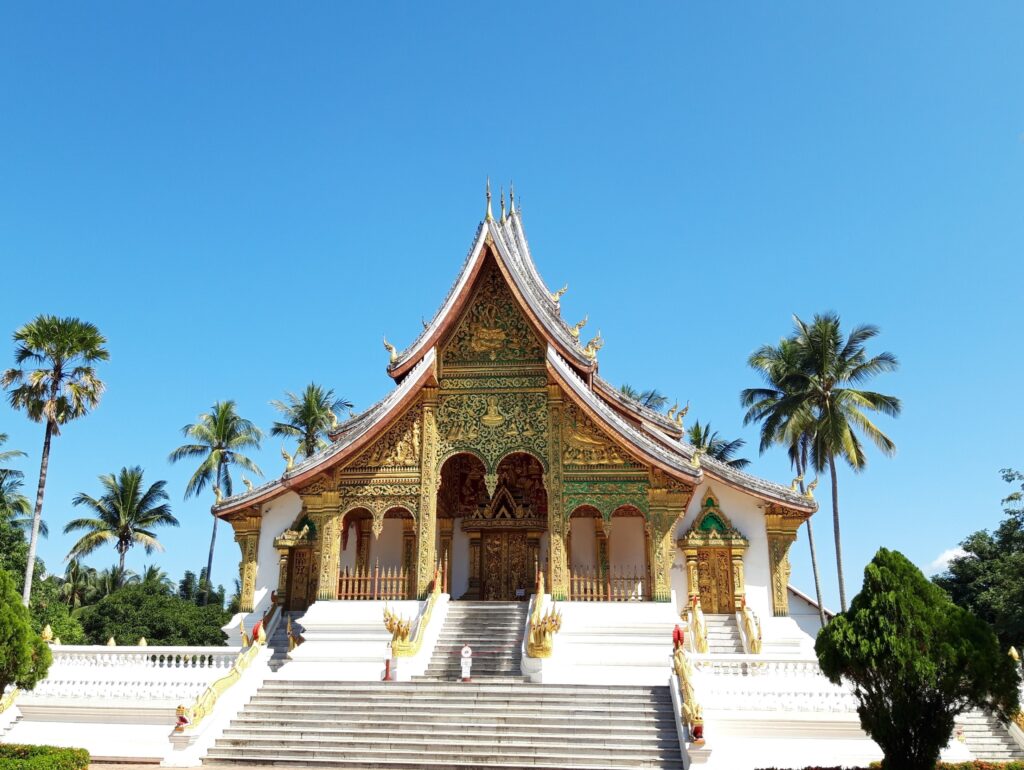
Haw Pha Bang, the most impressive and it’s well know as Royal Temple, It’s originally constructed in 1963 but afterwards it’s re-built in 1990 until 2006 that the royal temple was completed. This is most beautiful of Laotian architecture and sacred Buddhist temple which located in the same compound of former royal grand palace. Haw Pha Bang’s features with three tiered roof, a tiered facade and intricate wood carvings with decorated by gold-leaf and depicted sense from Buddhist mythology, beautiful mural and gilded statue of Hindu legend Ramayana. Haw Pha Bang’s residence of the Pha Bang Buddha statue since he arrived Lane Xang Kingdom (Land Of One Million Elephant Kingdom) in 1512.
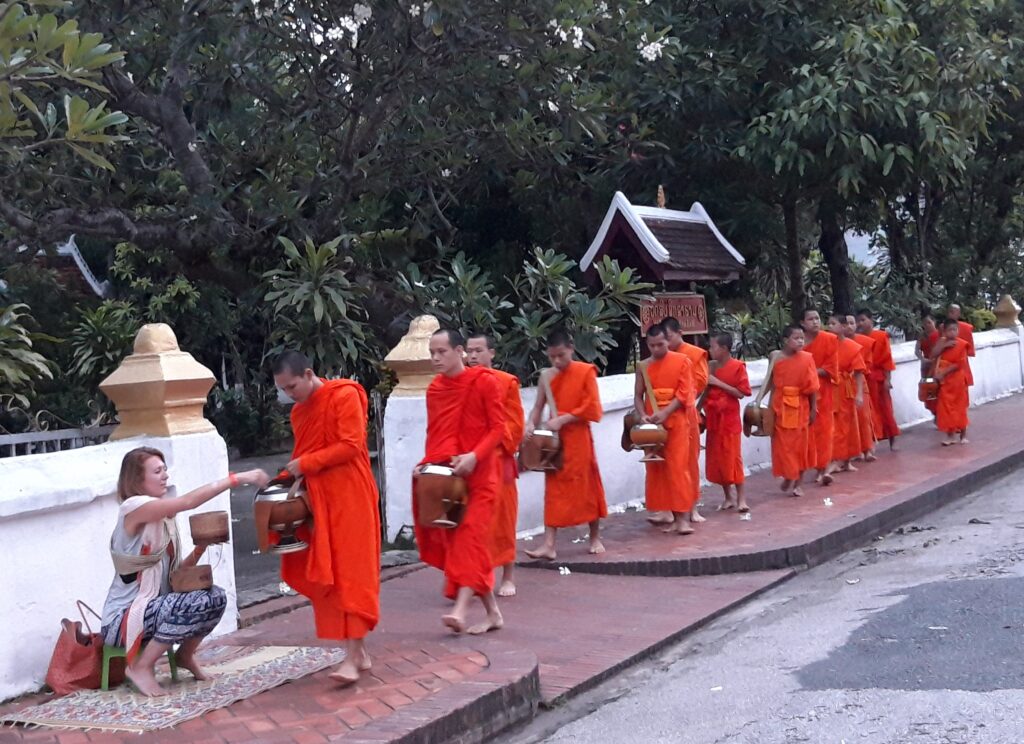
Monk’s Alms Giving(Tak Bat), you will seek for daily life of Buddhist novices and monks every early morning around 05:30 AM there is the opportunity to start the day very early with one of the most memorable sights of Luangprabang . At dawn hundreds of saffron robed monks move silently through the streets to collect alms (offerings of foods). Your guide will explain the background behind this ritual which is still very much a part of everyday life and you will have the chance to make ‘merit’. It’s early but well worth the wake- up call!!
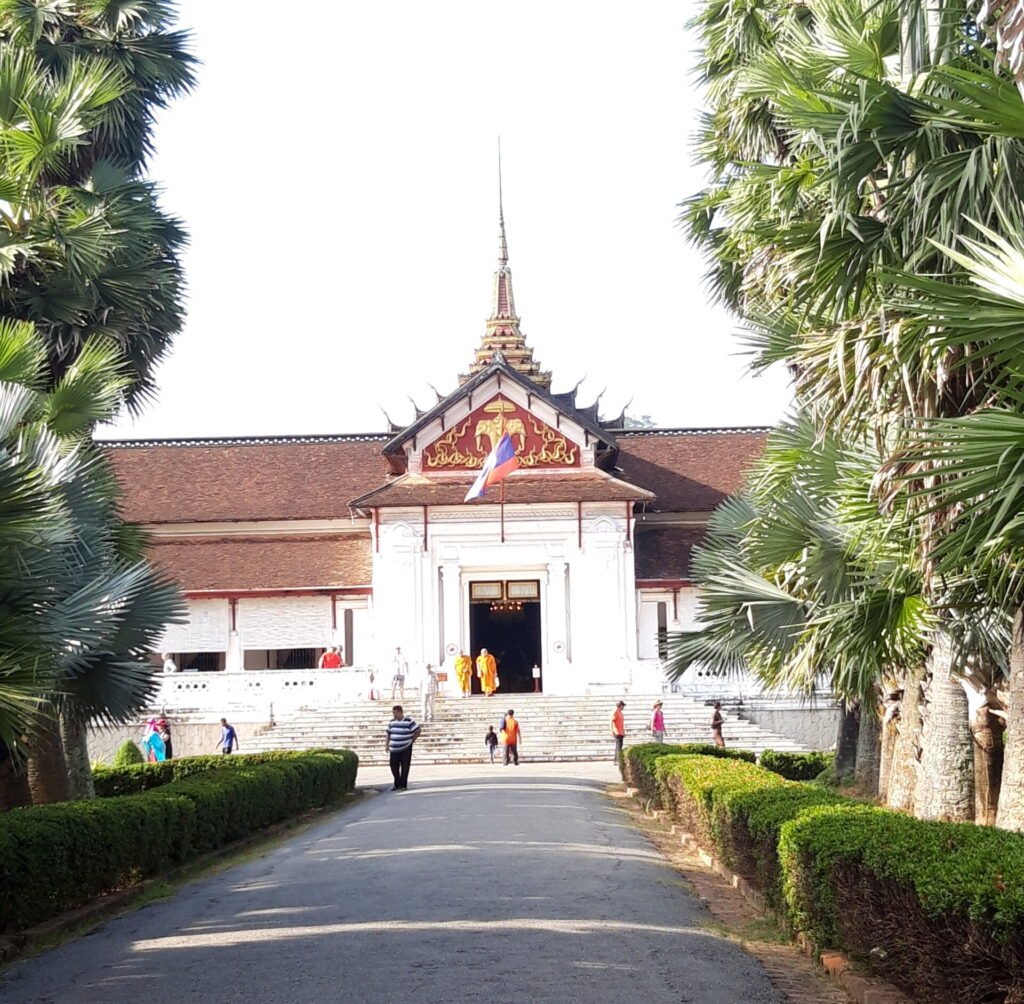
Luang Prabang’s National Museum, formerly the Royal Palace which it’s originally built in 1904 until 1909 during French colonial Indochina countries , it’s former residence of a king Sisavangvong and his family. The site at back of palace was chosen for official visitors in Luangprabang city for disembark the mighty Mekong river voyage. After revolution in 1975 that Lao Kingdom has changed new regime into Lao PDR , then former King Palace transformed into Luangprabang’s National Museum which it’s displaying a lovely collection of personal artifacts from the former Laotian Royal Family including photos, musical instruments, and many gifts received from the dignitaries of foreign countries.
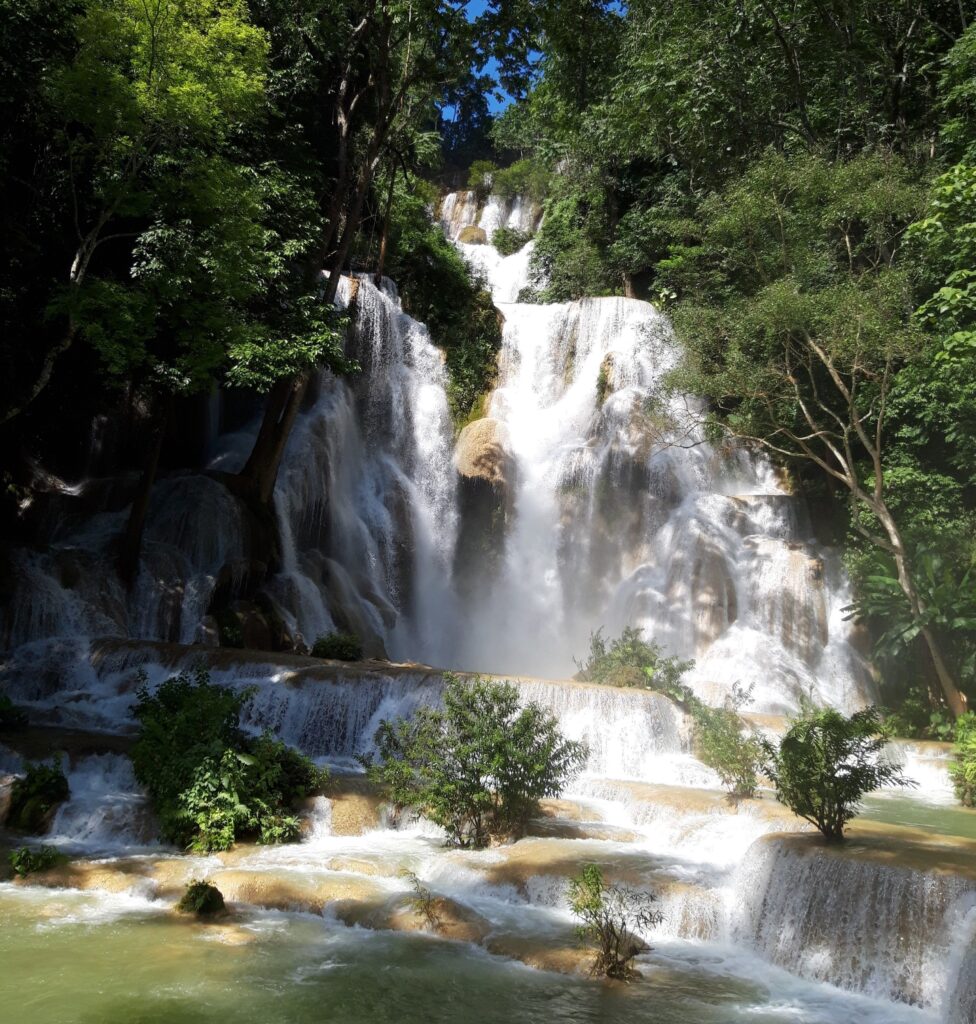
Khuangxi Waterfall, the journey is approximately 25 Km/ 40 minutes on driving and passing through scenic Lao countryside, beautiful rice fields and plantations of farmer. The waterfalls cascade over many calcified tiers and down several hundred feet into a series of cool, turquoise pools. The water here has a clear blue-green tint due to the high mineral content and it is really pleasant place to swim. And then take your time to observe and visit “ Bear Rescue Centre ” where they conserve the black bears in the northern part of Laos. Enjoy Lao-Style Picnic Lunch near by the falls.
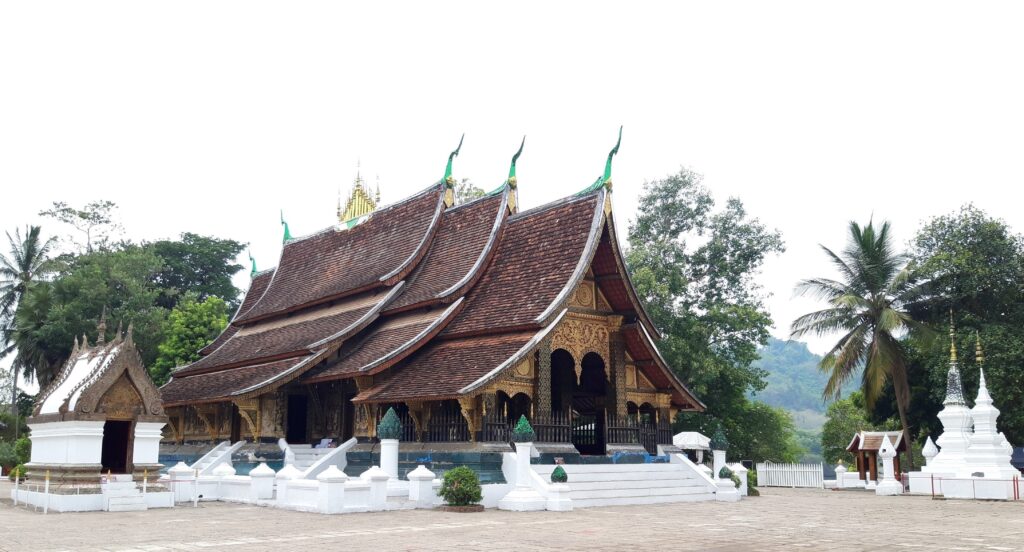
Wat Xieng Thong, often said to be Luang Prabang’s most beautiful temple in Laos. It was originally built by the King seththathirath in 1560 before the king has moved the capital city of Lan Xang (Land Of One Million Elephant Kingdom) from Xiengthong Kingdom (Luangprabang) to Vientiane Capital city. The architecture of temple is traditional Buddhist temple and it characterized by its several roofs sweeping low to the ground and the impressive “tree of life” mosaic, and beautiful of mural painting pictures of Buddhism and Hinduism, and its temple was home to placed the emerald holy buddha statue.
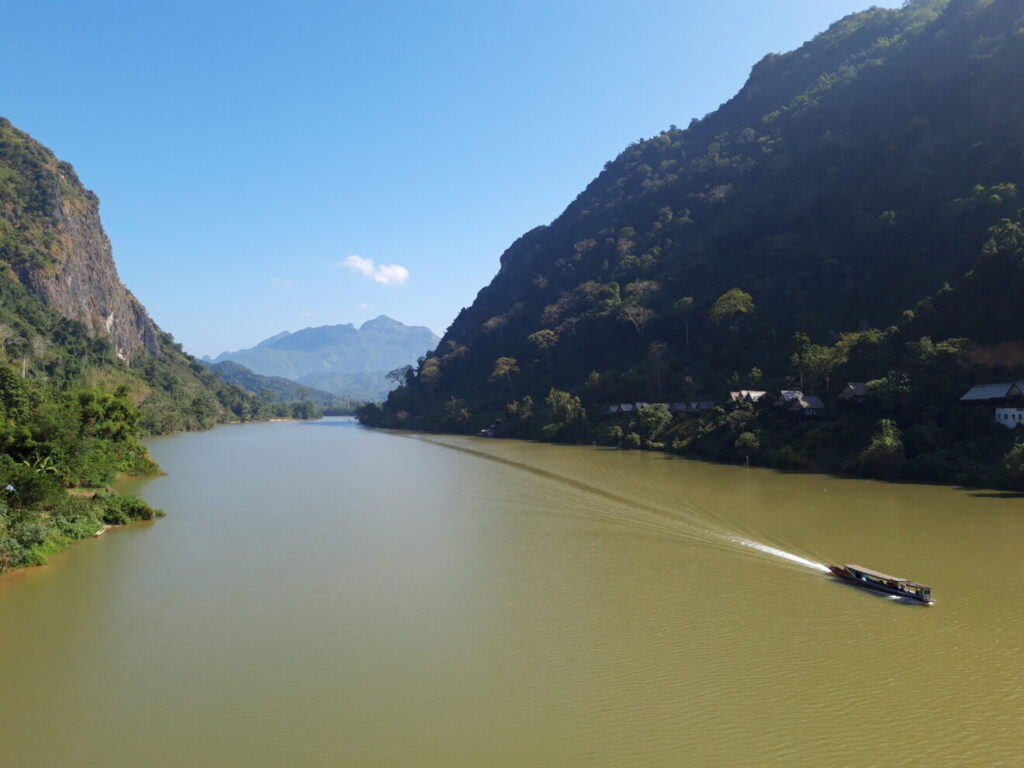
Nam Ou River, amusement the river boat cruise along Nam Ou River from Nong Khaew to Muang Ngoi. The town is in a very peaceful location on the river banks surrounded by beautiful mountains and is pleasant place to explore on foot and impressive landscapes by the Ou River bank are often spectacular. Nam Ou River is important river for the people in Northern Laos – this river has been used by local people for over a thousand years, and today many villagers living along the riverside still rely on this river for transportation and for their daily livelihood. Take a visit Mouang Ngoi to stroll around the town for seeking the life living of LaoLoum (Lowland Lao People). In this area during Indochina War in 1964-1973 this town was former residence of communist military based which were bombed by US Airforce.
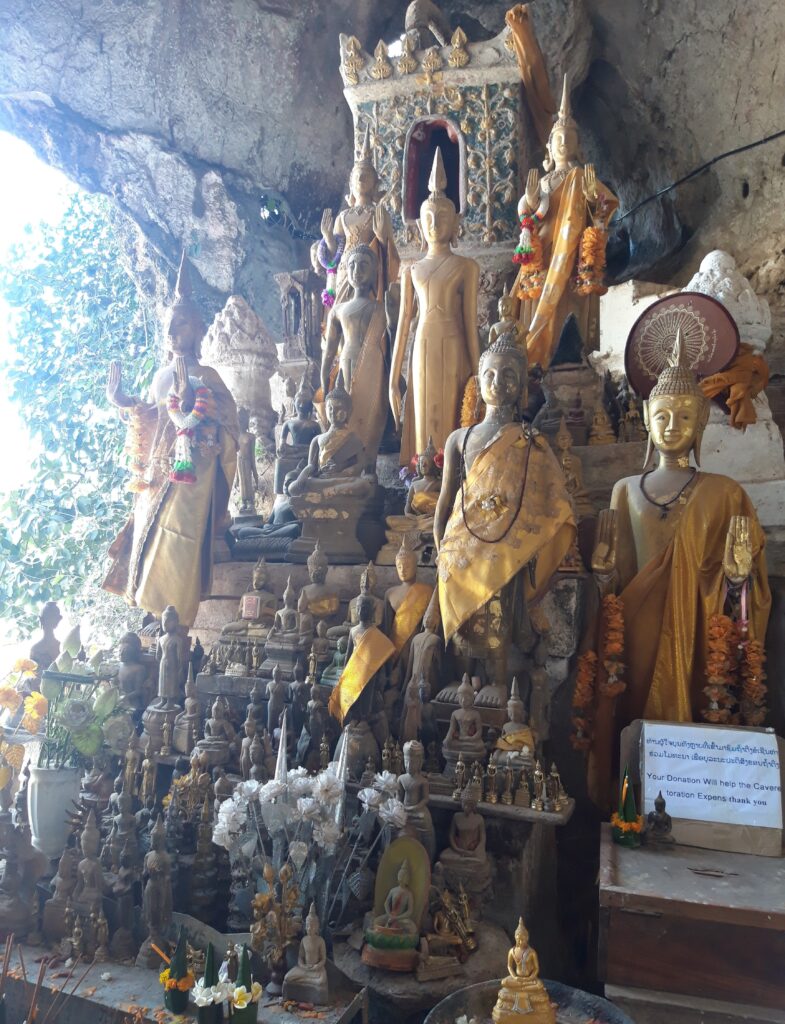
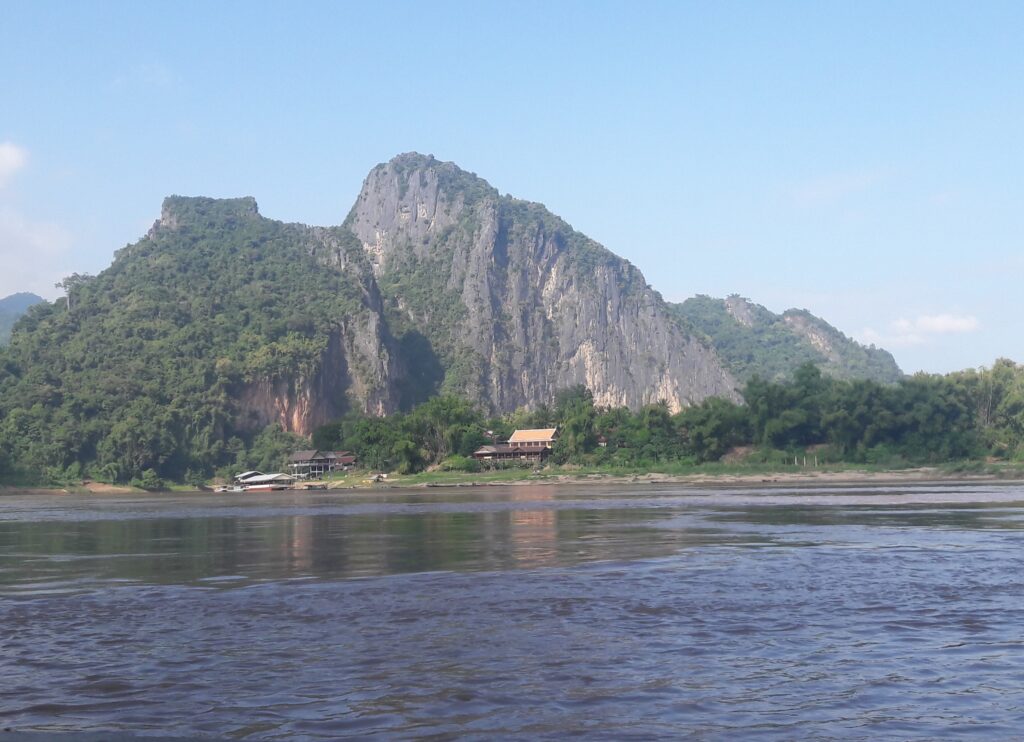
Pak Ou Cave(Buddha Cave), Enjoy mighty Mekong river boat trip to visit the famous and sacred Pak Ou Cave (the journey is approximately 30 Km/2 hours). Pak Ou caves have been home to many four thousands of Buddha images that were placed here by local people since 16th century when King Setthathirath found the caves and declared them a holy spot. Today many people still pay respect to this tradition. Along impressive boat cruise take a stop to visit Ban Xanghai (Whisky Village)where you will see local people distill Moonshine which it’s made of sticky rice that you will taste real spirit like Lao Lao Whisky only 55 percent of alcohol. And the red color whisky is quite sweet like rice wine only 15 percent of alcohol with variety of Centerpiece, Snake, Scorpion, Gecko whiskies etc.. Enjoy your lunch at Local Restaurant opposite the impressive and stunning view of landscape.
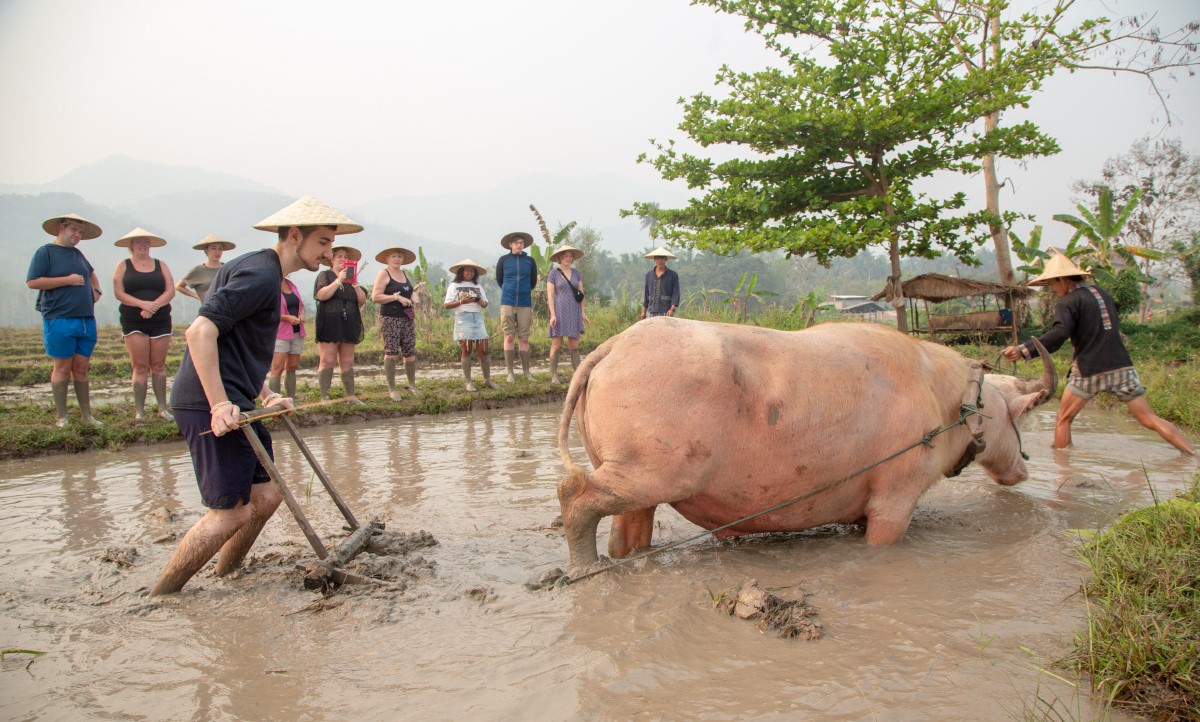
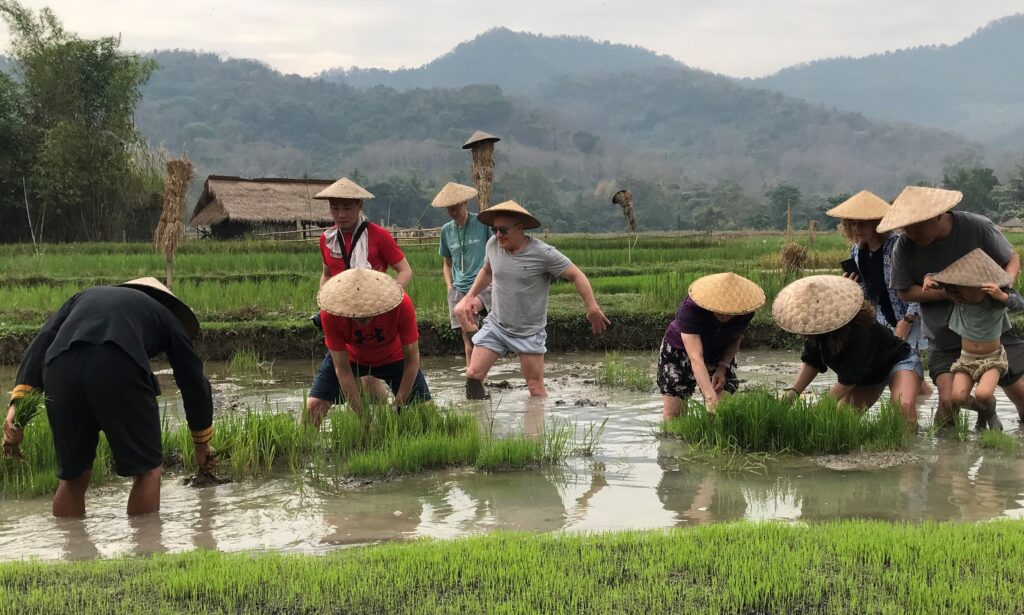
Living Land Farm, This really is a fantastic time for you to have experience to learn about lao agriculture of being famers to get opportunity to get local famer’s tools and water buffalo to plough the rice fields, prepare nursery, planting rice, harvesting rice, milling rice, cooking rice. And besides that you will be able to help the blacksmith man making agriculture tools to work in their farms. This afternoon they will serve you some tasting snacks, sugarcane juice drinks & Lao lao whisky (Recommendable: You should to wear comfortable, shorts with light breathable clothes and ready to get wet, dirt muddy but you should prepare your spare cloths where you can change it).
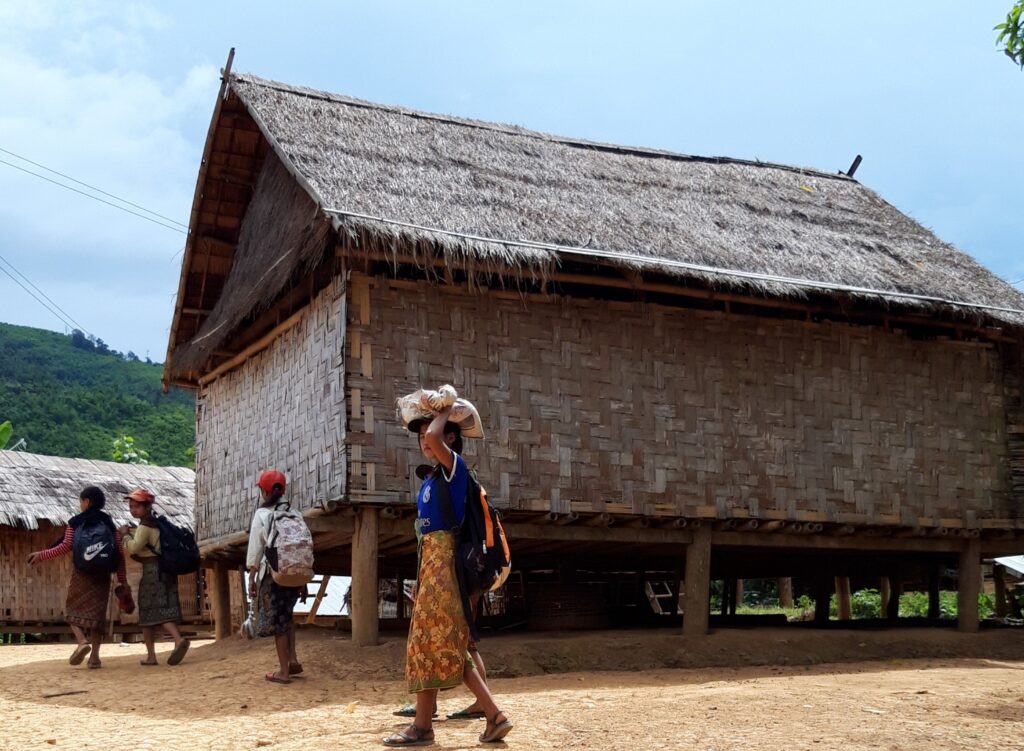
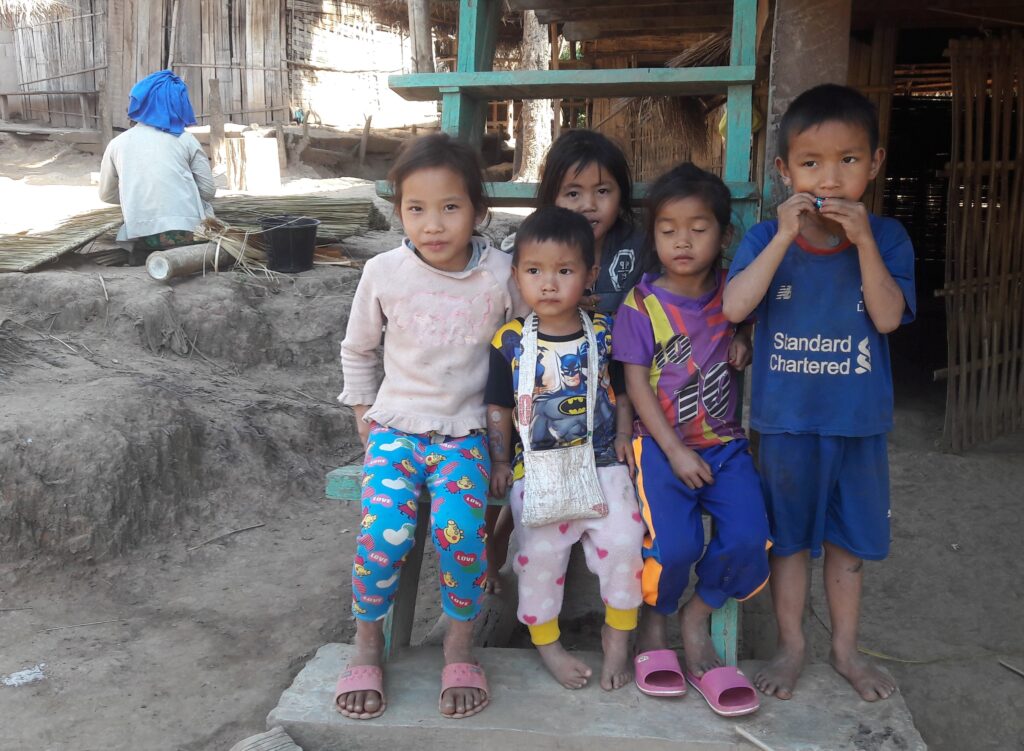
Khmu (Upland Minority Villages), discover the traditional, culture of Khmu minority villages and areas of spectacular mountain scenery. The Khmu minorities were original inhabitants living in Laos for more than 1,000 years. This is good experience to meet the friendly local villagers
and mainly occupations of Khmu that they work in agriculture as farmers, gardeners, hunters and fishermen.
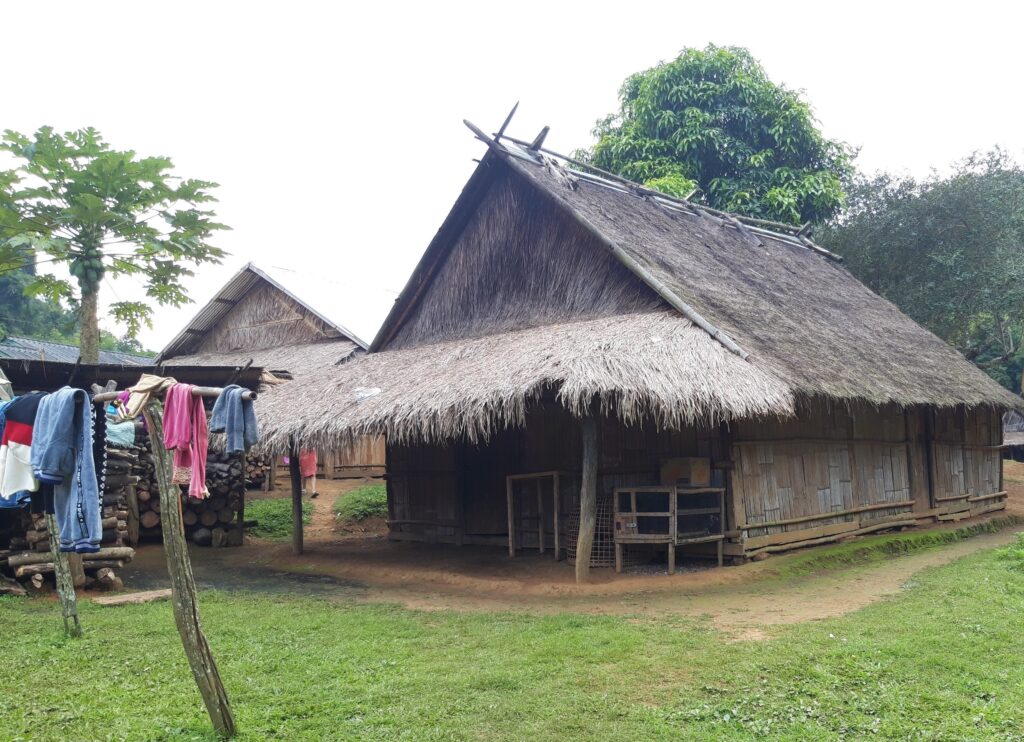
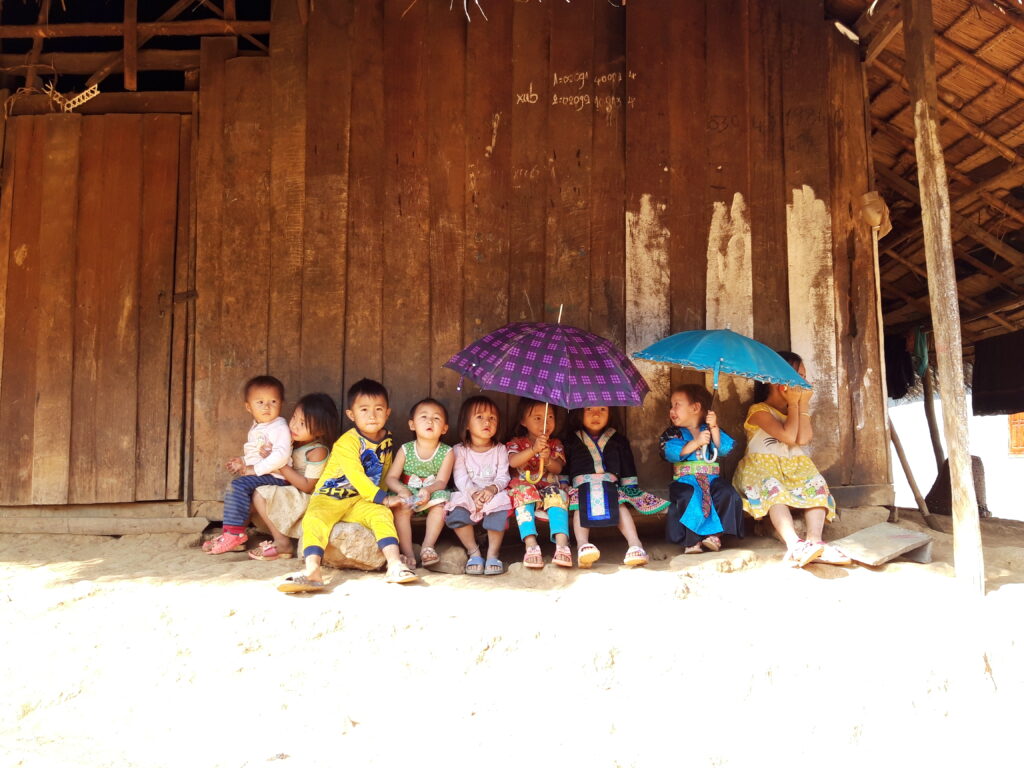
Hmong (Hill Tribe Minority), they were originally migrated from southern part of China-Yunnan. They have settled residence around mountain regions northern of Laos which estimate elevation more 1500 or 2000 meters from the sea level and they are inhabitants living in north of Laos more than 200 years. They are highland hill tribe originally tracing their roots to the Tibetan borderlands. Mainly occupations of Hmong that they work in agriculture as farmers, gardeners, blacksmith and hunters.
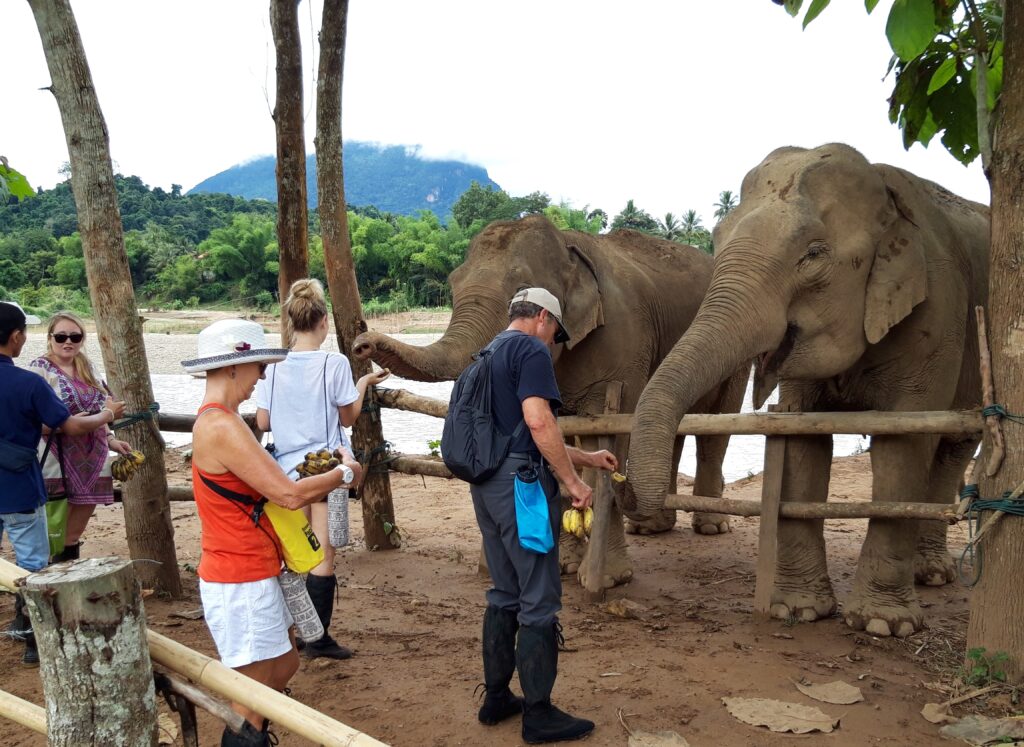
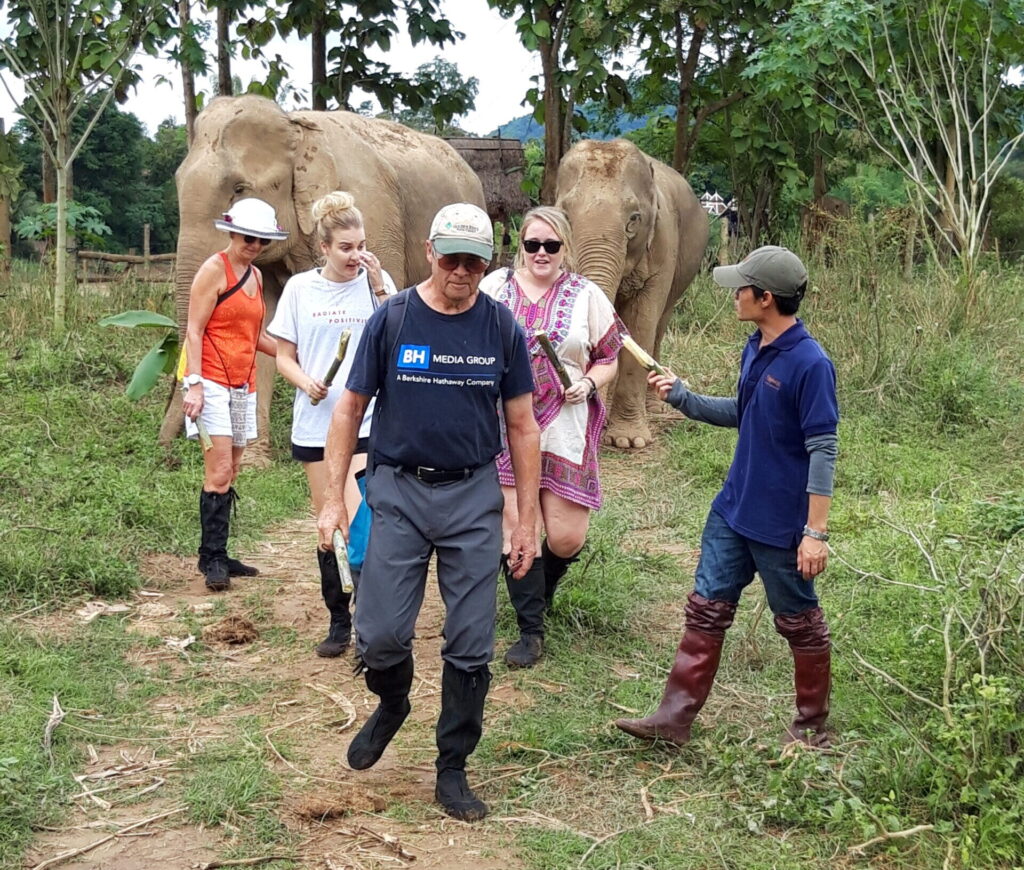
Elephant Trekking, explore fabulous Elephants Conservation in South East Asia, it’s part of sanctuary rescues pachyderms from logging camp and exploitative tourism. You will visit directly to encourages rescues and indigenous Mahout families. Besides that you will have experience to get the foods, fruits, vegetables to feed the elephants and walk with them alongside two elephants through the jungle and luscious rice fields, they are very gentle giants in their natural inhabitant.
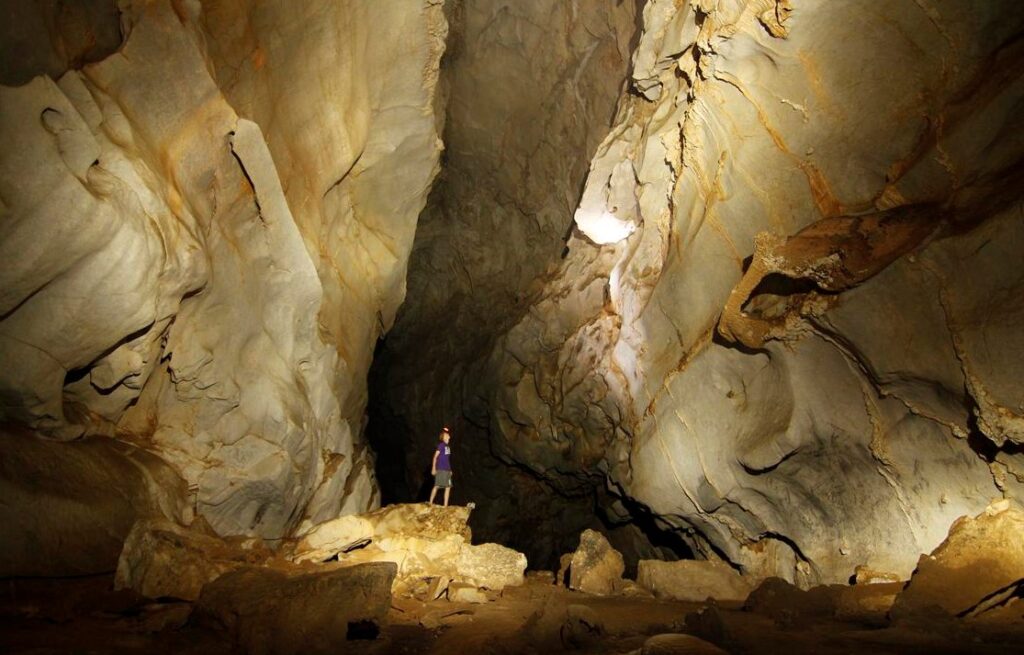
Tham Chong Ong Cave , it’s miracle to explore about it If we journey from northwest of Muangxay town 45 Kilometers that it will take the journey is approximately 1 hour on driving and passing through scenic Lao countryside, beautiful rice fields and plantations of farmers that you be impressive to explore the Tham Chom Ong Cave near Ban Chom Ong Village, it is one of the most beautiful and interesting cave in Southeast Asia. It is about 18 kilometers length and it ranks as the 2nd longest cave in Laos and the number 9th longest cave in the whole Southeast Asia with its impressive of several huge stalagmites and stalactites formation as well as vast glittering parts and geologically interesting features (Shields, floe calcite, etc.)
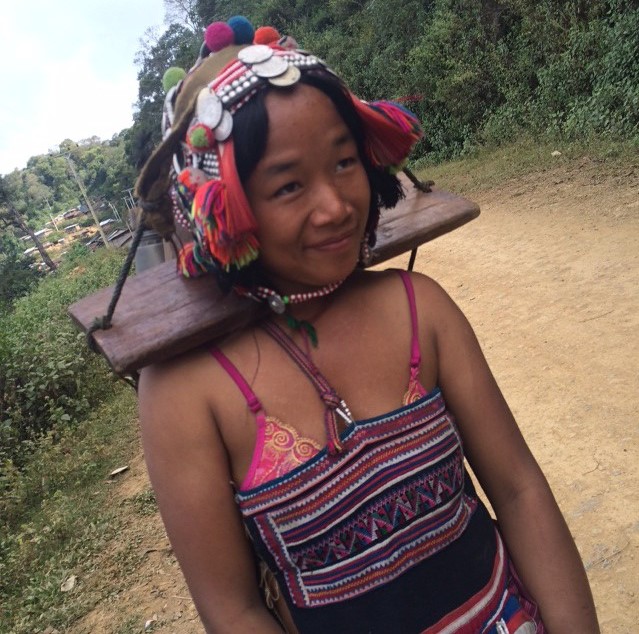
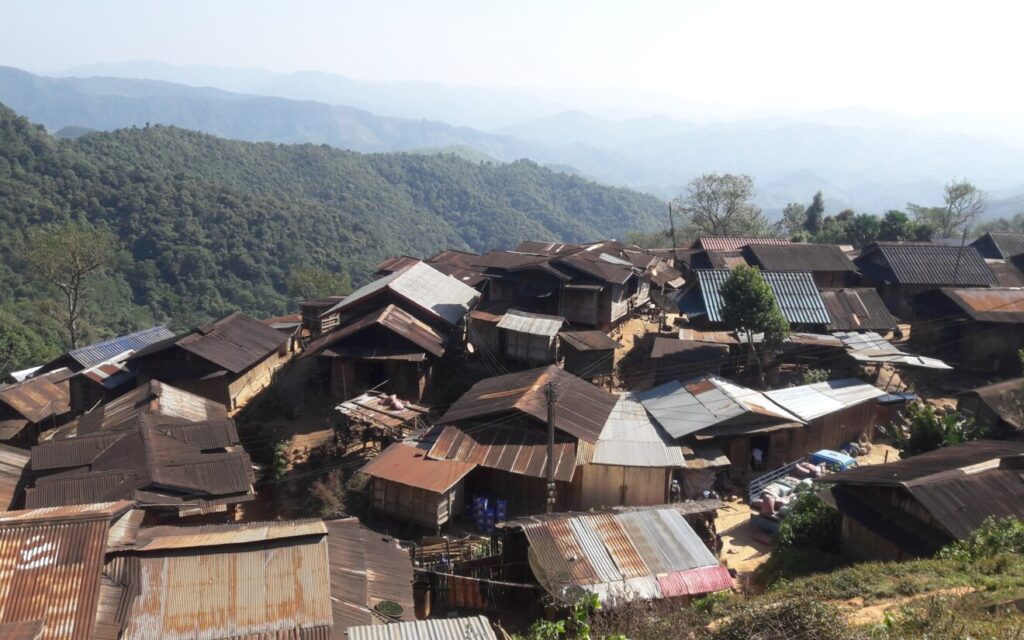
Akha(IKOR) Minority, they were originally migrated from southward from Yunan of China. They have settled residence around mountain regions northern of Laos which estimate elevation more 1500 or 2000 meters from the sea level and they are inhabitants living in north of Laos more than 200 years. They are upland hill tribe originally tracing their roots to the Tibetan borderlands and mainly occupations of Akha that they work in agriculture as farmers, gardeners and hunters.
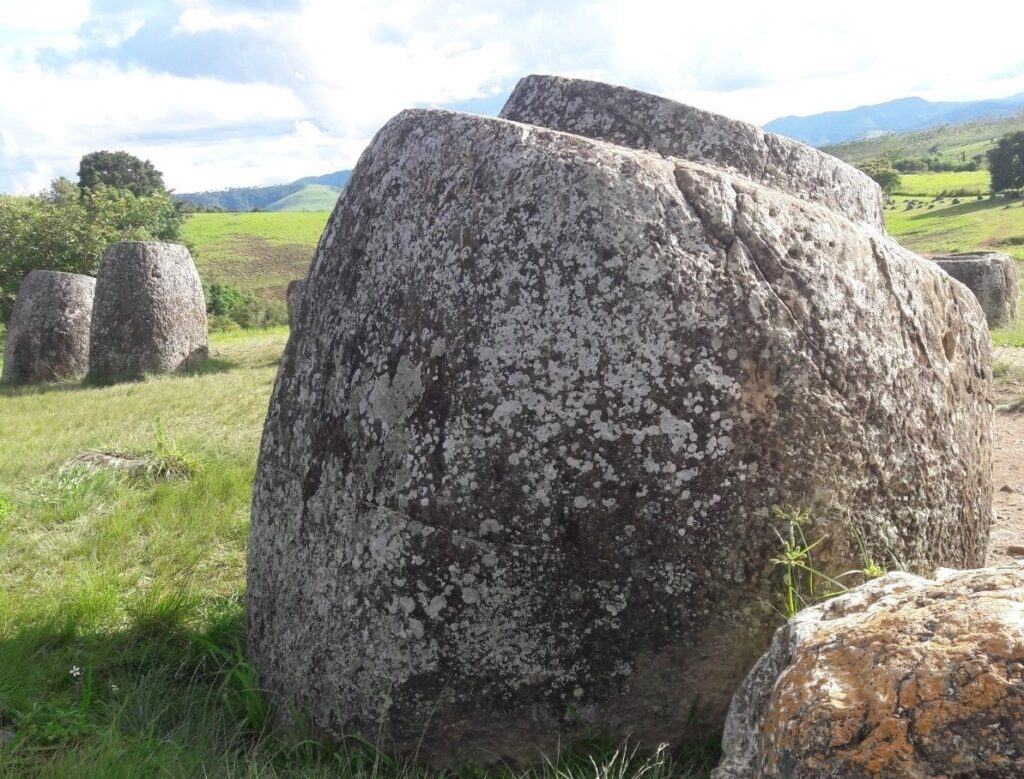
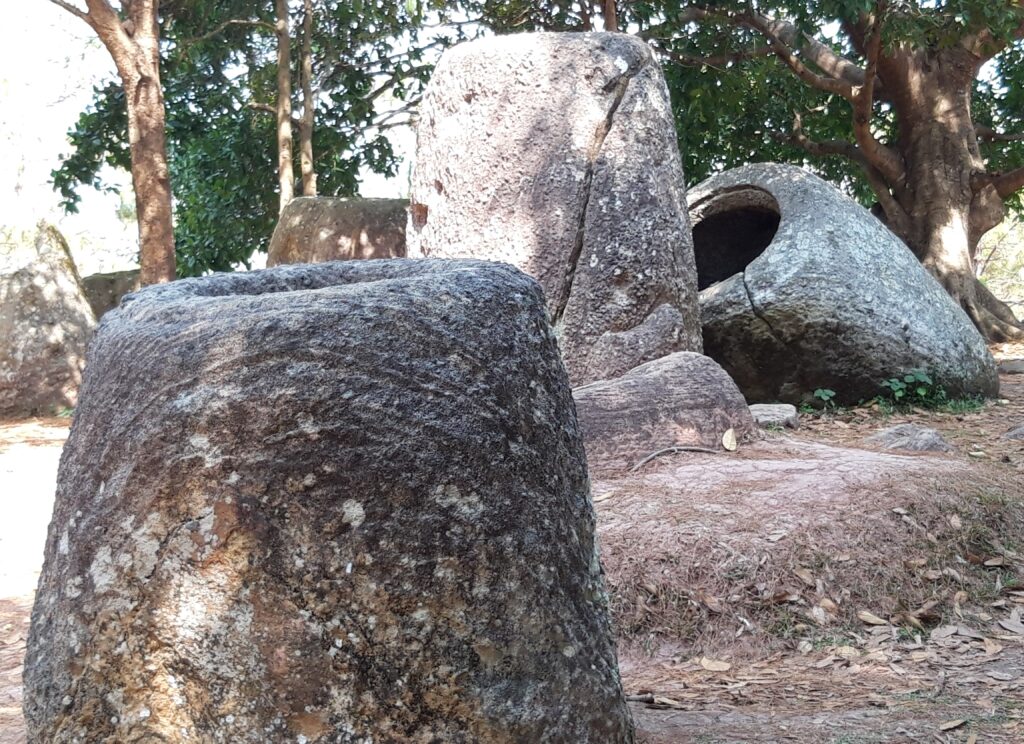
Plain of Jars, it is the most important prehistoric sites in South East Asia. It is located in XiengKhuang Province in Laos as nearest place is Phonsavan town. The story of the Jars still be unclear from between myth and archaeological. According Laotian legend said that there were giants who once settled in this area and created the stone jars to stored rice wine which was brought to commemorate the victory of the King Khouncheuang against enemy that they are believed to have been carved from solid rock around 2,000 years, and others idea said that the stone jars created to store the monsoon rain which could be provided for caravan travelers along their journey as water not readily available on easiest footpaths when it occurred seasonal. Whole together there are more 46 archaeological sites that settle on the hillside and plateau , there have been recent UNESCO sponsored projects to determine the history of the jars.
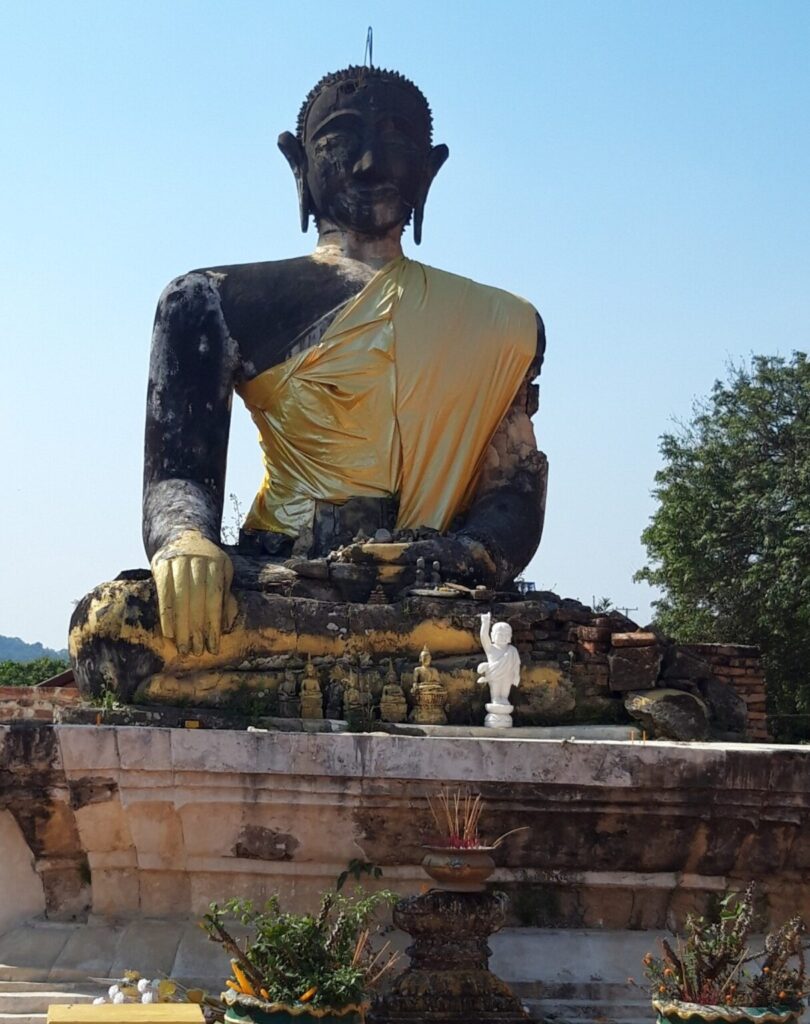
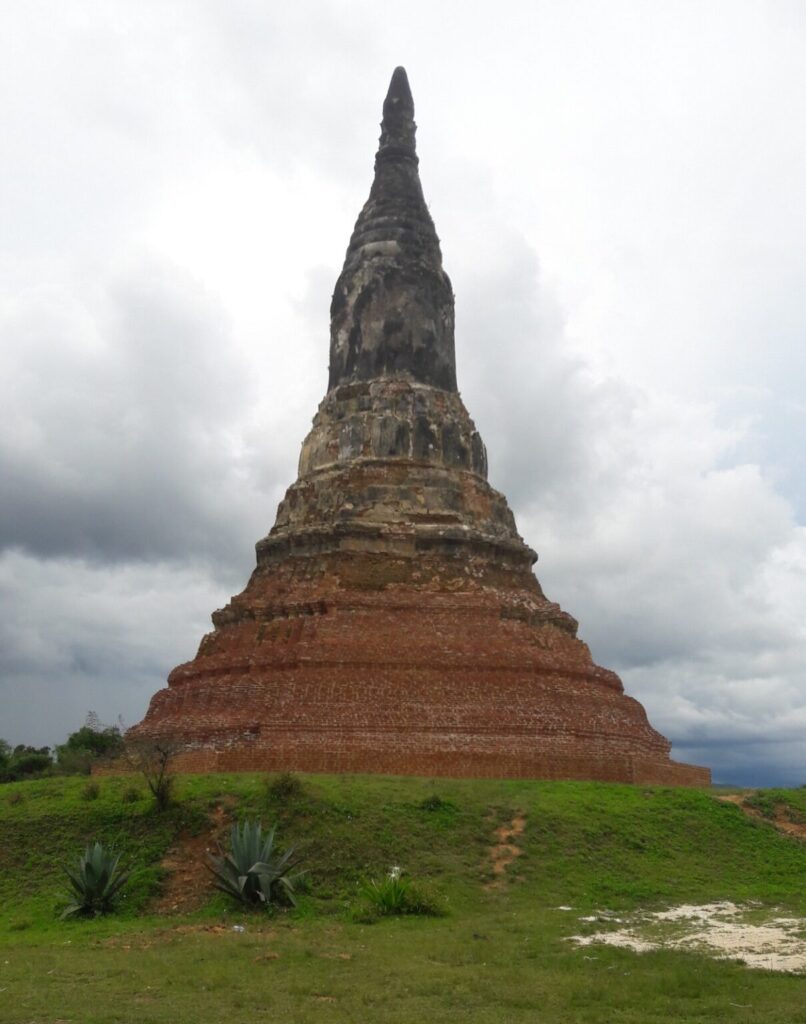
Muang Khun town, it was former capital city of XiengKhuang Kingdom and later modern day of XiengKhuang province, It was also former headquarter of Pathet Lao, the pro-communist rebellion which was allied with North Vietnam during second Indochina war and succeeded in overthrowing the Royalist Laos government in 1975. Because of this, the area was heavily targeted by US bombing raids in 1964-1973. The moist poignant reminder of the devastation is the the ruined temple of Wat Phia was built in 16 century, where a large statue of Buddha sits amongst the remain of the temple. Near by, the shell of what was once of former French Colonial Administration office stands as one of the few remnants of French occupation in this area as well as former hospital. Although the active bombing has stopped and the area is still riddled with unexploded ordinances(UXO), claiming the lives of villagers who unwittingly activate them by doing such as mundane things as plowing their fields.